

Blue Stains in Pine Timber: Does It Affect Quality?
Understanding Blue Stain and Sap Stain in East African Pine
Blue stain pine timber is a common occurrence that raises concerns among builders and buyers. Pine is one of the world’s most widely used softwoods, used for structural framing, furniture, and flooring. However, anyone working with this material sooner or later encounters blue stains (also called sap stain). These telltale blue-grey marks raise important questions about timber quality and usability.
The short answer: This discolouration is a fungal-causing cosmetic defect that rarely affects strength, but can influence appearance, drying behaviour, and moisture performance. Moreover, the sap stain phenomenon observed in East African pine is essentially the same issue documented globally, including in Sweden and other timber-producing regions.
What Causes Blue Stain in Pine Timber?
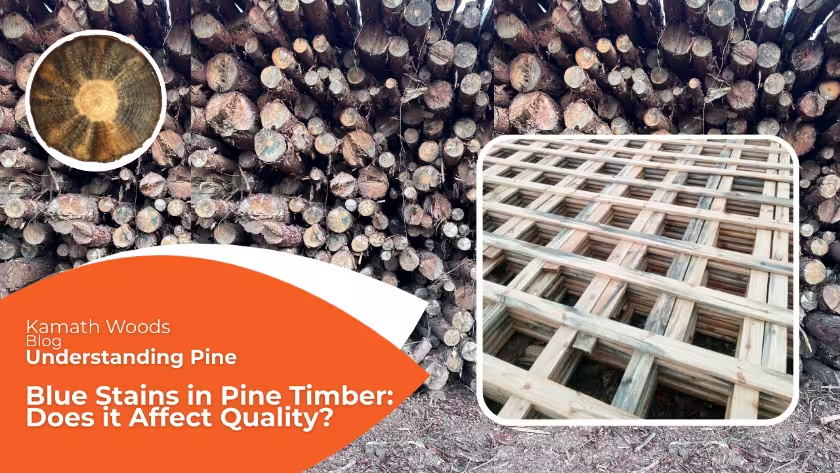
Sap stain (often called blue stain) is a type of discolouration in pine and other softwoods that wood-staining fungi cause. Specifically, the fungi colonise the sapwood and produce pigmented hyphae that give a blue, grey, or even blackish appearance (Moisture Protection).
These fungi don’t rot the wood the way decay fungi do; they do not consume the structural cellulose or lignin. Instead, they live off nutrients in the wood and leave behind the pigment that creates the discolouration.
Common staining fungi include:
• Ceratocystis species
• Ophiostoma species
• Alternaria species
• Aureobasidium species
These organisms attack wood after harvesting or sawing, especially under moist, warm conditions
Does Blue Stain Affect Pine Timber Strength?
No, blue stain does not reduce structural strength. Every reputable lumber research source agrees on this point.
Here’s what the research shows:
- Staining fungi don’t significantly break down the wood’s cell walls, so timber strength remains largely intact
- Grading standards often accept structural lumber with this discoloration (Swedish Wood)
- Industry experts classify it as a cosmetic quality defect, not a structural one
This means load-bearing applications like studs, roof trusses, or internal framing can still use stained lumber provided it meets the relevant grade and dryness specifications.
How Blue Stain Impacts Pine Timber Quality
While this discolouration doesn’t hurt strength, it does affect other important aspects of timber quality:
1. Appearance and Visual Quality
Many purchasers disapprove of how stained sapwood looks, especially for visible joinery or interior finish work. Consequently, buyers may downgrade affected lumber for aesthetic applications.
2. Moisture Handling and Drying
Discolored wood tends to have higher water permeability:
- Absorbs water more readily after exposure
- May dry more slowly or unevenly without prompt kiln drying (Swedish Wood)
These properties don’t weaken timber, but they can complicate drying or finishing processes. Therefore, proper handling remains essential.
3. Surface Treatment and Finishing
Because of increased permeability, sealants, paints, and coatings may behave differently. Specifically, the wood absorbs these materials unevenly, and they may wear faster in outdoor applications.
Blue Stain in East African Pine: Global Comparison
Pines planted in East Africa, especially Pinus patula and Pinus caribaea, are not fundamentally different from pines grown in Europe, North America, or elsewhere when it comes to stain susceptibility. Indeed, the fungi that cause these discolourations are globally widespread and opportunistic. Furthermore, the same general conditions (moisture, delayed processing, temperature) trigger sap stain worldwide.
While East Africa doesn’t yet have extensive published research specifically on this phenomenon in local pine species, no biological reason exists to think the sap stain in East African pine differs from the same type of fungal discolouration documented in Sweden, Australia, Canada, the U.S., and other timber regions.
In other words: Yes, timber processors around Kenya, Tanzania, and Uganda observe the same basic sap stain phenomenon that researchers study in Swedish mills and forestry sites.
Practical Guidelines for Blue Stain Pine Timber
Using Stained Timber for Structural Applications
Blue stain pine timber works safely for structural uses if it meets grade and moisture specifications. The stain alone does not create a strength issue. Therefore, builders can use it confidently for framing timber, pallets, and other load-bearing applications.
Managing Moisture in Stained Wood
Apply proper sealing and drying techniques to prevent affected wood from remaining wet for extended periods. Additionally, consider kiln drying for better control over moisture content.
Commercial Value Considerations
In saw-milling and trade, processors often treat sap stain as a market preference defect rather than a quality defect. However, understanding buyer preferences helps optimise timber sorting and pricing strategies.
Understanding Timber Quality with Sap Stain
Blue stain pine timber represents a global, well-documented fungal discolouration that impacts appearance and moisture behavior, but not structural strength. Moreover, producers and buyers observe essentially the same process whether working with East African pine or timber from Sweden’s forests.
Understanding this helps buyers and builders use stained pine appropriately, avoid unnecessary waste, and ensure correct handling and finishing practices. Consequently, affected lumber remains a valuable resource when properly graded and applied.
By understanding the true nature of sap stain discoloration, you can make informed decisions about its use in structural, commercial, and aesthetic applications without compromising quality or safety.
For more information about our East African pine timber, quality grading, or our wood products, please contact our team today.