

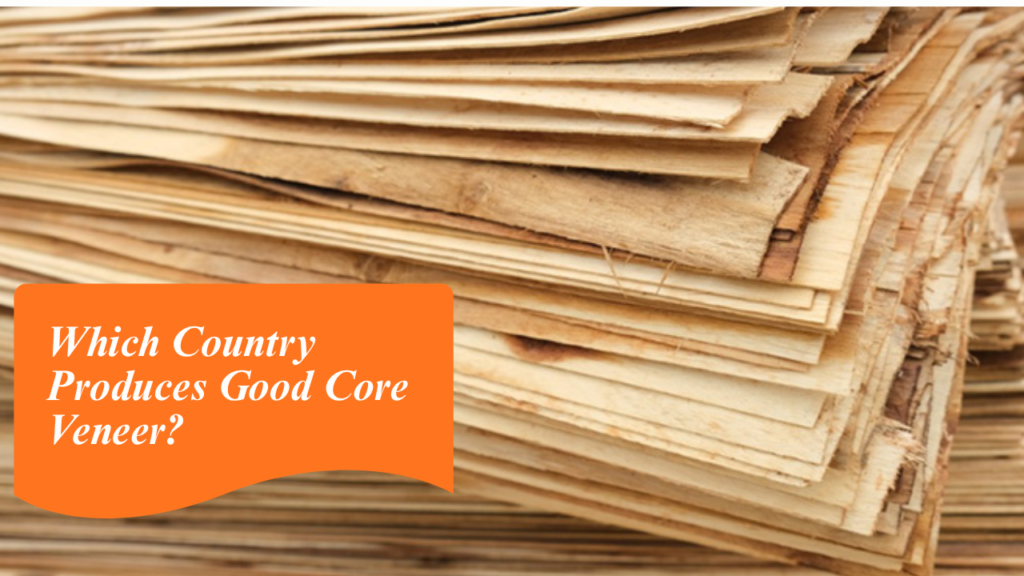
When people ask which country produces good core veneer, they are usually looking for one simple answer. In reality, there is no single winner for every buyer, factory, or product line. Good core veneer depends on the wood species, how the logs are grown, how the veneer is peeled and dried, and how consistent the supply is. That is why the smarter question is not only about the best country for core veneer. It is also about what kind of core veneer you need and what quality standard you expect.
Core veneer sits inside plywood and carries much of the board’s strength and stability. If the core is weak, wet, uneven, or full of defects, the finished plywood will also have problems. It may bend, separate, or fail during use. This is why choosing the right core veneer matters so much for plywood makers, furniture manufacturers, traders, and buyers.
What Makes Core Veneer Good
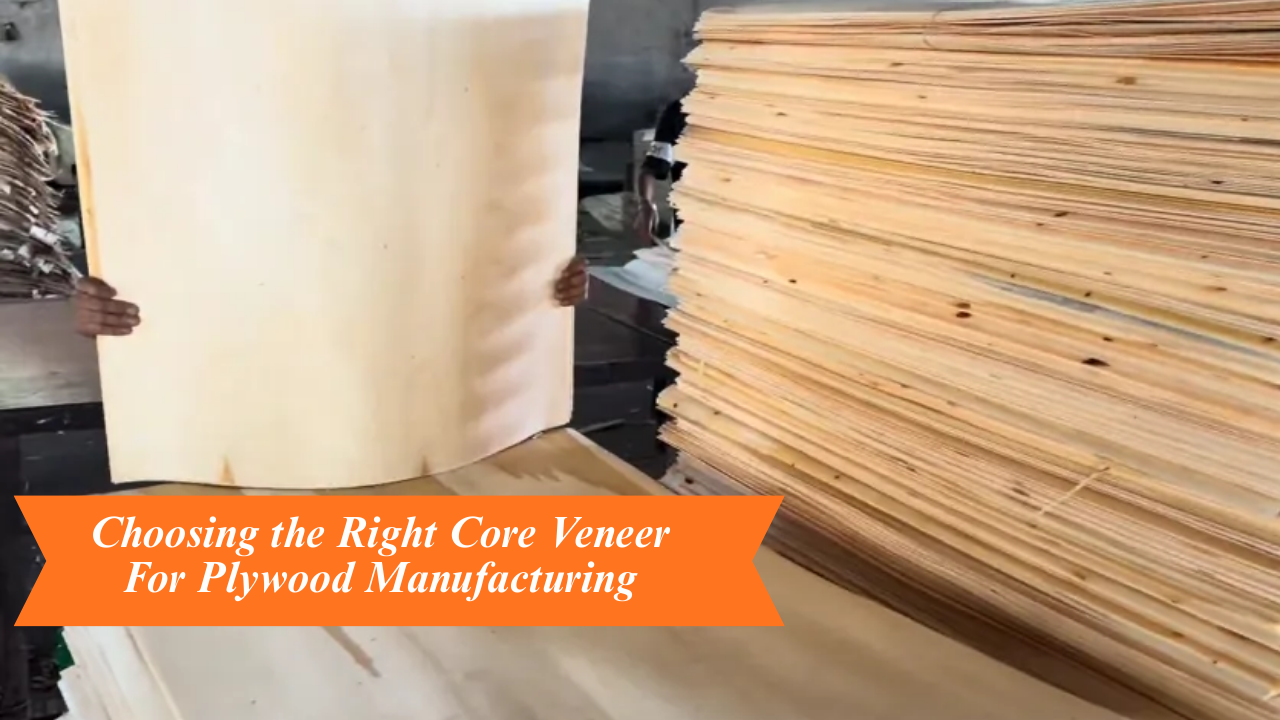
A good core veneer is not judged by country alone. It is judged by performance. A good veneer should have even thickness, low moisture, proper strength, and fewer open defects. It should also bond well during pressing. When the inner layers are consistent, the plywood usually performs better in machining, finishing, and long-term use.
A few things matter most:
- Uniform thickness
- Proper drying
- Fewer splits and holes
- Stable wood fibre
- Good bonding strength
- Reliable supply from the producer
That is why experienced buyers look at both the source country and the way the veneer is processed.
Why Country Still Matters
Even though quality depends on processing, the country still matters because climate, plantation practices, available species, and factory systems shape the final product. Some core veneer-producing countries have large plantation programs and steady industrial output. Others may have good timber but inconsistent grading or supply.
Across Asia, countries such as China, Vietnam, India, Indonesia, and Malaysia are closely linked with veneer and plywood production. FAO and ITTO sources also show that Asia remains central to the wider wood products trade, while Vietnam’s wood and wood products exports have grown strongly in recent years.
China: Strong Capacity And Fast Supply
China is often part of the conversation because of its huge manufacturing base. It processes large volumes of wood products and has strong factory infrastructure. For buyers who need scale, steady output, and broad product options, China is important. It can be a practical answer to the question of the best country for core veneer when supply volume and industrial consistency matter most. FAO has noted strong growth in China’s forest products production over time.
That said, quality can vary by supplier. One Chinese producer may deliver clean, stable veneer. Another may deliver material that is too wet or poorly graded. So China is strong in capacity, but supplier selection still matters.
Vietnam: A Serious Name In Veneer And Plywood
Vietnam has become a major wood products country, and that matters in the veneer market as well. ITTO reported that Vietnam’s wood and wood products exports passed 17 billion US dollars in 2025, showing how large and organized the sector has become.
Vietnam is especially relevant when buyers want plantation-based hardwood material. It is often discussed in relation to eucalyptus resources and plywood production. ITTO also notes that Vietnam draws heavily on domestic plantation timber in its wood supply chain.
For many buyers, Vietnam is one of the most practical core veneer-producing countries because it combines plantation supply, export experience, and a strong manufacturing base.
India: Strong Potential, Especially For Eucalyptus
India deserves attention, especially when the discussion turns to eucalyptus core veneer. Indian forestry and wood sector sources note the growing role of plantation wood, including eucalyptus, in the country’s wood-based industries.
This matters because eucalyptus is widely valued for strength and density. Research and technical sources also show eucalyptus is commonly used in wood-based panels and veneer-related applications.
If your main goal is choosing the right core veneer for strength-oriented plywood, India can be a strong option, especially where eucalyptus-based supply is available and well processed. Like every market, though, quality depends on grading, moisture control, and the individual mill.
Indonesia And Malaysia: Long Wood Industry Experience
Indonesia and Malaysia have long histories in tropical wood processing. That experience matters. These countries are known for working with hardwood resources and for serving export markets for many years. Older FAO and ITTO material also shows both countries as important players in the broader tropical wood sector.
For buyers looking for hardwood character and manufacturing know-how, these countries remain relevant. Still, the answer depends on the exact species, the factory, and the grade being offered.
Why Eucalyptus Core Veneer Gets So Much Attention
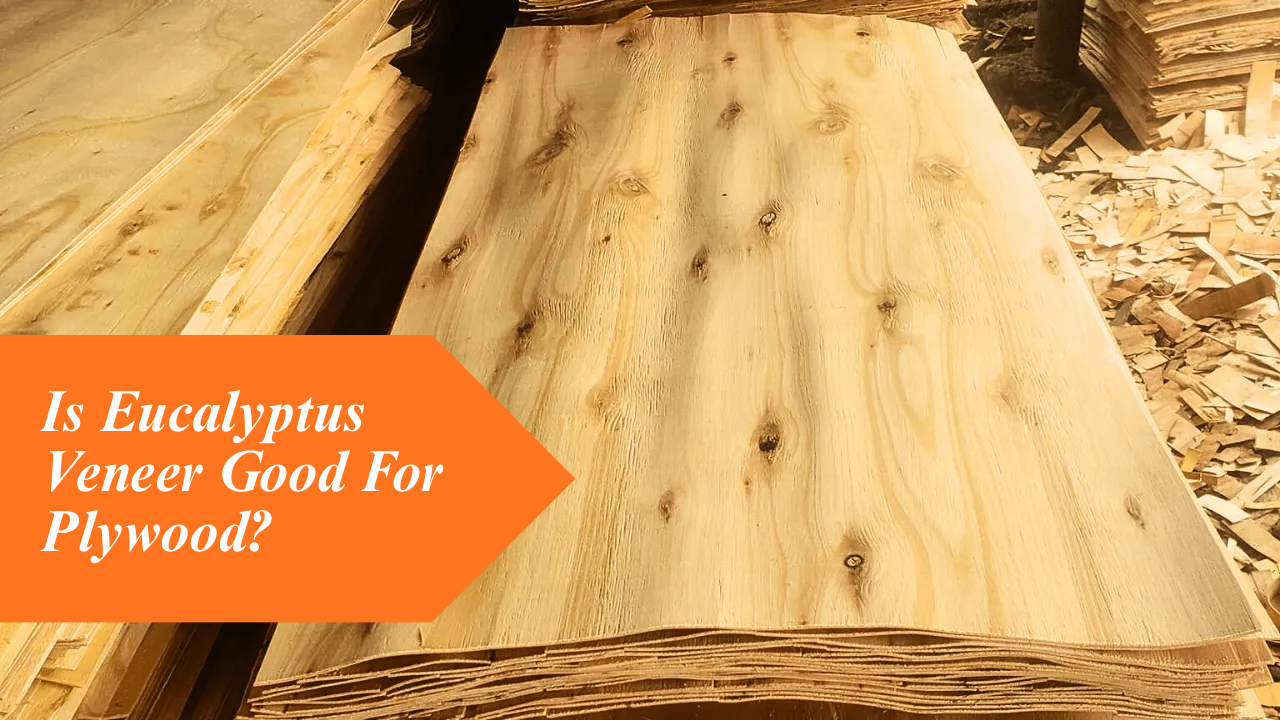
Among all veneer options, eucalyptus core veneer stands out because it offers a useful balance of strength, availability, and plantation supply. Eucalyptus species are known for high yields in warmer plantation regions, and FAO has highlighted the strong productivity of eucalyptus plantations.
That does not mean every eucalyptus veneer sheet is good. It only means the raw material has strong potential. The actual result still depends on log quality, peeling, drying, and storage. But when buyers ask about strong inner layers for plywood, eucalyptus usually enters the conversation for good reason.
So, Which Country Produces Good Core Veneer?
The most honest answer is this:
- China is strong in volume, factory scale, and broad supply.
- Vietnam is strong for organized export production and plantation-linked supply.
- India is increasingly important, especially for eucalyptus core veneer.
- Indonesia and Malaysia remain respected because of their long wood processing background.
So, there is no single best country for core veneer in every case. The better answer is to match the country to the species, grade, and consistency you need.
How Buyers Should Make The Final Choice
If you are choosing the right core veneer, do not buy only by country name. Ask practical questions:
- Is the thickness consistent?
- Is the veneer properly dried?
- Are there too many open defects?
- What species is being used?
- Can the supplier maintain the same grade over time?
These questions matter more than a simple label.
A sample check is always worth doing before a full order. Even within the same country, two mills can produce very different veneers. Small trial batches help buyers compare bonding, moisture behaviour, edge quality, and consistency before committing to larger volumes or long-term purchasing decisions for production planning and budgeting.
Conclusion
Good core veneer does not come from one country alone. It comes from the right mix of species, plantation quality, processing, and supplier discipline. China, Vietnam, India, Indonesia, and Malaysia all matter among today’s core veneer-producing countries, but the right choice depends on what you are making and what standard you need.
If eucalyptus strength, steady supply, and plywood performance matter to you, eucalyptus core veneer deserves close attention. For businesses trying to understand veneer quality more clearly, Kamath Woods is a useful place to start the conversation and explore what makes one core veneer truly better than another.