

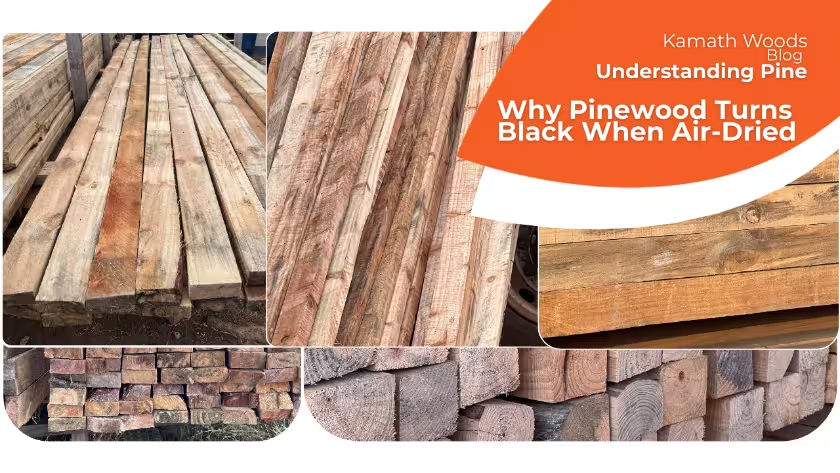
Why Does Air-Dried Pine Wood Turn Black?
Understanding Black Staining: Causes and Prevention
Black staining pine wood is a common frustration for woodworkers and sawmills. When freshly cut pine is left to air-dry, it often develops dark brown or black discoloration. Notably, this problem isn’t just cosmeticit affects market value, appearance, and sometimes even the usability of finished products.
Pine wood is popular among woodworkers and builders for its affordability, ease of use, and impressive strength-to-weight ratio. However, understanding why this discoloration occurs is crucial for wood processors, including those in East Africa, to prevent or minimize the issue.
Primary Causes of Black Staining Pine Wood
1. Fungal Staining (Microbial Growth)
The primary culprit behind dark discoloration is sapstain fungus. Specifically, species like Ophiostoma, Aureobasidium, and various molds colonize pine sapwood when moisture levels are high and airflow is insufficient (USDA). These fungi produce dark-pigmented hyphae that penetrate the wood, causing discoloration without compromising structural integrity.
Key characteristics of fungal staining:
• Colors range from brown and grey to blue-black, depending on the fungal species
• Most common when lumber is stored in humid conditions or stacked too tightly
• More likely when wood remains wet for extended periods
• Wood stored outdoors without adequate air circulation dries slowly, giving fungi more time to colonize
2. Chemical Oxidation in Pine
Pine naturally contains sugars, resins, and other extractive compounds. During the drying process, these substances can oxidize, particularly in warm conditions with oxygen exposure. Consequently, this chemical reaction is another cause of black staining pine wood.
Unlike fungal staining, chemical darkening isn’t caused by living organisms; it’s a purely chemical process. Moreover, the intensity of discoloration depends on temperature and surface drying rate. Generally, higher temperatures accelerate color changes (USDA).
3. Environmental Factors Contributing to Staining
Additional contributing factors include:
- Humidity and airflow: Stagnant, humid air accelerates fungal colonization
- Metal contact: Iron and other metals touching wet wood can leave black marks through chemical reactions
- UV exposure: Sunlight gradually alters the color of surface extractives over time
While these are secondary factors, they can significantly impact lumber in outdoor drying yards. Therefore, understanding these interactions is essential for preventing discoloration.
What Happens Inside Pine Wood During Staining?
Freshly cut pine typically contains moisture well above the 25-30% fiber saturation point. At these moisture levels:
- Water-saturated wood cells provide ideal conditions for fungal colonization
- Additionally, the wood remains “wet” longer, extending the air-drying period
- Without proper spacing (stickers) and air circulation, moisture can’t escape efficiently
- As a result, stagnant conditions create perfect environments for stain fungi to thrive
Challenges in East African Pine Processing
Climate Considerations
In East African regions with extensive pine plantations, such as the highland areas of Tanzania, Kenya, and Uganda, the climate can be warm and humid during certain seasons. Consequently, these conditions favour fungal growth during air drying, increasing discolouration problems.
While rigorous scientific research specific to East Africa is limited, fundamental wood science principles apply universally. In particular, slowly drying lumber in humid environments is highly susceptible to fungal staining.
Local Processing Methods
Most East African timber operations rely on manual stacking in outdoor air-drying yards rather than controlled kiln drying. In these settings:
- Lumber may take weeks to reach safe moisture levels (below 20% MC)
- Furthermore, rainfall and inadequate airflow between stacks increase the risk of mold and sapstain
- Higher staining rates reduce commercial appeal, especially for wooden boxes, crates, and interior applications
As a result, East African pine tends to accumulate more stains, which makes it less desirable for commercial use, especially where appearance matters.
Best Practices to Prevent Black Staining Pine Wood
Whether you’re processing pine in East Africa or elsewhere, these strategies will help minimise black staining pine wood during air drying. By following these proven methods, you can significantly improve lumber quality.
1. Proper Stacking Techniques
- First, place dry stickers evenly between boards to promote airflow
- Moreover, avoid tight stacking that traps moisture and encourages fungal growth
2. Maximize Ventilation
- Position stacks where wind can reach them easily
- Additionally, avoid areas with poor circulation like corners, enclosed spaces, or shaded locations
- Natural airflow accelerates drying and reduces the window for fungal attack
3. Start Drying Immediately
- Begin the drying process right after milling to prevent fungal colonization
- Indeed, the longer the delay between cutting and stacking, the higher the risk of discoloration
4. Monitor Moisture Content Regularly
Keep moisture levels below 20% to prevent or slow fungal growth
Furthermore, moisture meters are affordable, practical tools for sawmills and lumber yards
5. Protect During Wet Seasons
In East Africa’s rainy or humid periods:
- Cover stacks with breathable tarps that shed rain while allowing moisture to escape
- However, avoid plastic sheeting, which traps moisture and promotes mold growth
6. Consider Kiln Drying for Premium Lumber
Controlled drying chambers offer several advantages:
- Dramatically reduced fungal staining risk
- Significantly faster drying times
- Better control over chemical color changes
Therefore, for high-value lumber or premium applications, kiln drying may justify the additional investment.
Managing Black Staining: Final Recommendations
Black staining pine wood is a common challenge caused by fungal growth and chemical changes during the drying process. While it typically doesn’t compromise structural strength, it significantly affects appearance and market value for various applications.
In East Africa, where outdoor air-drying is the norm, climate and weather patterns can intensify discoloration issues. Nevertheless, with proper stacking techniques, adequate airflow, moisture monitoring, and rapid drying practices, these problems can be managed effectively.
With the right stacking, airflow, moisture monitoring, and quick drying practices, preventing wood discoloration is achievable. As a result, you’ll produce higher-quality lumber that commands better prices in the marketplace.
For more information about our East African pine timber, wooden pallets, or other wood products, please Reach out to us.