

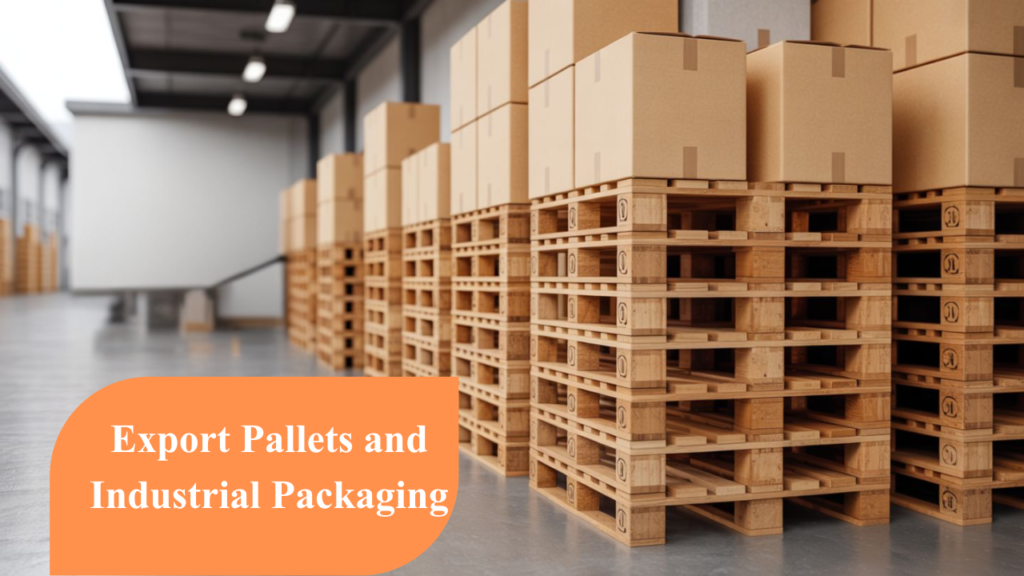
Walk into any warehouse, and you will see wooden pallets stacked everywhere. They all look more or less the same. But the wood used to make them, the species, how it was dried, how it was graded, makes a bigger difference than most people realise.
The wrong wood leads to pallets that break under load, fail moisture checks at customs, or get rejected because they were not treated correctly. The right wood makes your packaging reliable, compliant, and cost-effective over time.
So what is the best wood for export pallets and industrial packaging? The honest answer is: it depends on what you are shipping, where it is going, and what stresses the packaging will face on the way.
Let me break it down properly.
Hardwood or Softwood: Which One Should You Use?
This is the first question most people ask, and it trips up many exporters.The softwood vs hardwood pallets debate is not really about which is stronger in an absolute sense. It is about matching the wood to the job. Hardwoods like sal, teak, and eucalyptus are dense and heavy. They handle high loads well and resist wear over repeated use. If your packaging will be reused many times, for moving heavy machinery or industrial components, hardwood offers the durability you need.
But hardwood is heavier, which adds to your freight costs. It is also harder to source consistently in large quantities. And when it comes to heat treatment, denser wood takes longer to treat because it takes more time for heat to penetrate to the core.
Softwood, primarily pine, is lighter, easier to work with, and widely available. It treats more evenly and faster in the kiln. It is the dominant choice globally for packaging-grade pine timber used in export pallets and crates. Most international buyers are familiar with it. Most ISPM-15 treatment facilities are set up to handle it efficiently.
For the majority of export packaging applications, softwood pine is the practical choice. For heavy industrial loads or when maximum durability matters more than weight, hardwood earns its place.
What About Wood for Export Crates?
Pallets carry weight from below. Crates protect goods from all sides. The demands are different.
When choosing wood for export crates, consider structural rigidity, nail-holding capacity, and surface quality. Crates are assembled with screws and nails, wood that splits easily during assembly creates weak joints. Wood that is too porous absorbs moisture and swells, potentially damaging whatever is packed inside.
Pine and other softwoods work well for most crates. They hold nails reliably without splitting when properly dried. They are easy to cut precisely. And they are available in the dimensions needed for custom crate fabrication.
For heavy goods, industrial equipment, automotive parts, stone, a hardwood frame with softwood panels is often the best approach. The hardwood handles the structural load. The softwood keeps the total weight manageable and reduces cost.
One thing that applies to both: whatever wood you use for export crates, it must be ISPM-15 compliant. The species does not matter for that requirement. The treatment and marking do.
Moisture Content Is Not a Detail You Can Ignore
This is where many problems start. Exporters focus on the wood species and pallet design, but do not consider pallet wood moisture content until something goes wrong.
Wood that is too wet is a problem. It is heavier, which adds unnecessary freight cost. More importantly, high-moisture wood is a breeding ground for mould and fungal growth. If your packaging arrives at the destination with visible mould, it will cause a dispute, regardless of whether the goods inside are fine.
Many destination countries have specific moisture content requirements. For most export applications, wood should be dried to a moisture content below 20%. In some cases, particularly for timber for shipping boxes, buyers require it to be closer to 15%.
There is also a structural issue. Wood at high moisture content will dry out and shrink during the journey. Joints loosen. Boards warp. Pallets that looked fine when packed start failing under load mid-transit.
Getting moisture right before packaging is built is far cheaper than dealing with the consequences after.
Kiln Dried or Air Dried, Does It Actually Matter?
Yes. Quite a lot.
The kiln-dried vs. air-dried for pallets question comes up often, and the difference is significant for export use.
Air drying is exactly what it sounds like, wood is stacked outdoors or in open sheds and allowed to dry naturally over months. It is slow, and the results are uneven. The outer layers dry faster than the core. Moisture content across the same batch can vary widely.
Kiln drying is a controlled process. Wood is placed in a chamber, and temperature and humidity are carefully managed over a defined period. The result is consistent moisture content throughout every piece. It is faster and more reliable, and it is the better option for export packaging.
There is another reason kiln drying matters specifically for export. When wood undergoes ISPM-15 heat treatment, kiln-dried wood responds more predictably. The core reaches the required 56°C faster and more uniformly. Facilities can treat it more efficiently, resulting in more consistent outcomes.
Air-dried wood is not automatically disqualified from use in export packaging, but it introduces additional variables. If you are serious about compliance and consistency, kiln-dried is the safer choice every time.
Grading and Thickness Matter Too
Good wood selection goes beyond species and drying method. Thickness and grading determine whether your pallet holds up through the full journey.
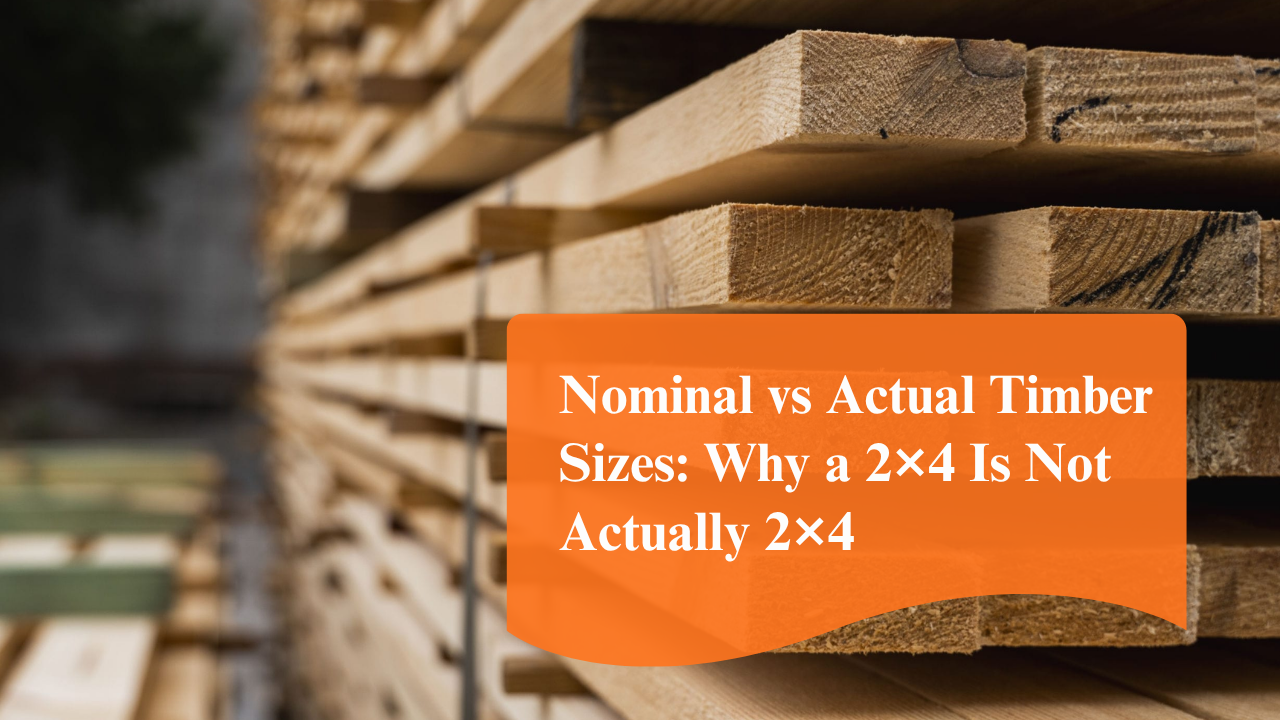
For standard export pallets, deck boards are typically 22-25mm thick. Bearers, the blocks or stringers underneath, need to be thicker and denser to handle the forklift entry and stacking loads. Using undersized timber to cut costs is a shortcut that creates failures under real operating conditions.
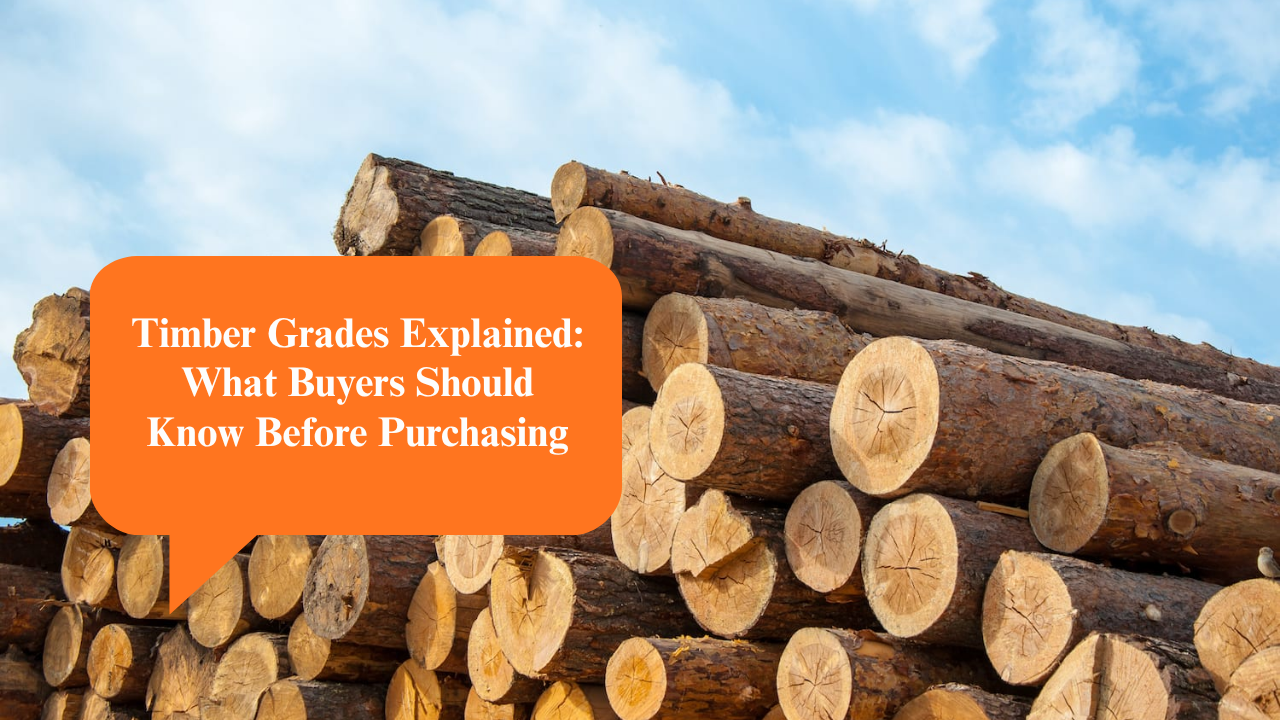
Grading refers to the visual and structural quality of the timber. Packaging-grade timber allows for knots and minor imperfections, but it should not have large knots that compromise the structural integrity of a deck board or bearer. Splits along the grain, excessive wane, or insect damage are all signs of timber that should not go into export packaging.
A packaging supplier who sources and grades timber properly will not use boards with visible defects in load-bearing positions. If you visit a facility and see obviously defective boards being used, that tells you something about how seriously they take quality overall.
Putting It Together
There is no single perfect wood for all export packaging. Pine is the most practical and widely used choice for general export pallets and crates. Hardwoods earn their place in heavy industrial applications. Moisture content needs to be managed regardless of species. And kiln drying gives you the consistency and treatment performance that air drying cannot match.
What ties all of this together is working with a supplier who understands these factors and makes deliberate decisions, not just whoever has the cheapest timber available that week.
Kamath Woods sources and processes timber specifically for export packaging applications. Every piece is treated to ISPM-15 standards and dried to the moisture levels required for international shipments. If your packaging is going abroad, the wood it is made from matters more than it looks on the outside.