

Choosing timber for a building project sounds easy until the real work starts. Many types of wood can look similar at first. But they do not perform the same way. Strength, grade, moisture content, treatment, and size all affect whether the timber will perform well in a home or a commercial structure. Official wood design sources explain that structural wood must be selected based on species, grade, size, and service condition, not solely on appearance.
That is why there is no single answer to the question of which wood is best for house construction. The best choice depends on what part of the building you are talking about. Wall framing, roof framing, beams, interior members, and exterior exposed areas may all need different thinking.
In many markets, graded softwood lumber is widely used for framing because it is practical, available, and suited to structural systems used in buildings.
Why Timber Choice Matters In Construction
Timber is not only a material. It is a working part of the structure. If the wrong wood is used, the building can later experience movement, weakness, twisting, shrinkage, or moisture problems. The Wood Handbook explains that wood properties change with moisture and that lumber for framing is commonly dried to specific moisture targets because stability matters in service.
This is true in both homes and commercial buildings. In residential work, timber may be used for studs, joists, rafters, trusses, and support members.
In commercial work, it may also be used in larger framing systems, roof members, and load-carrying elements, depending on design type and code approach. The American Wood Council notes that wood construction is widely used in building systems and that design decisions must reflect real structural use.
What Makes Timber Good For Construction
The best timber for construction is not just hard or heavy wood. Good construction timber usually has a mix of useful qualities.
It should have:
- dependable structural strength
- a proper grade for the job
- controlled moisture content
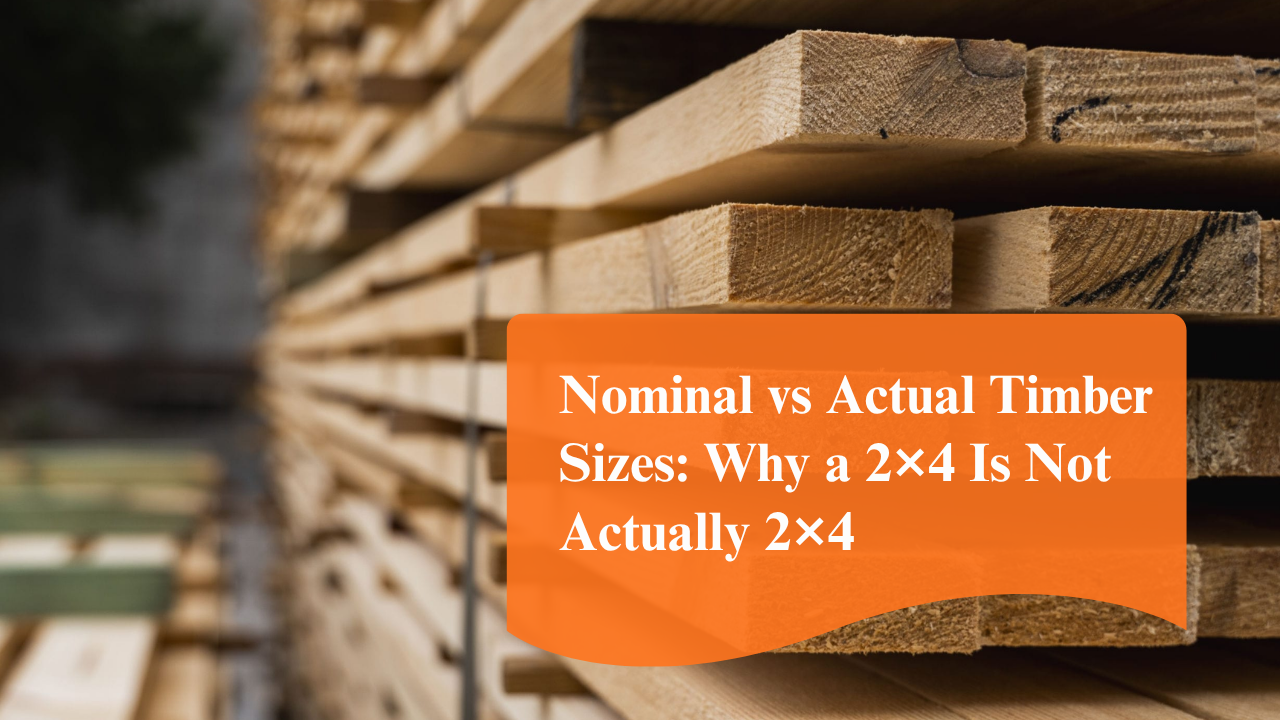
- the right size for the span and load
- treatment when exposure demands it
- consistent quality across the supply
These points matter because construction timber is chosen for performance. The Wood Handbook and AWC design resources both show that design values depend on species, grade, dimensions, and conditions of use.
Best Wood For House Construction
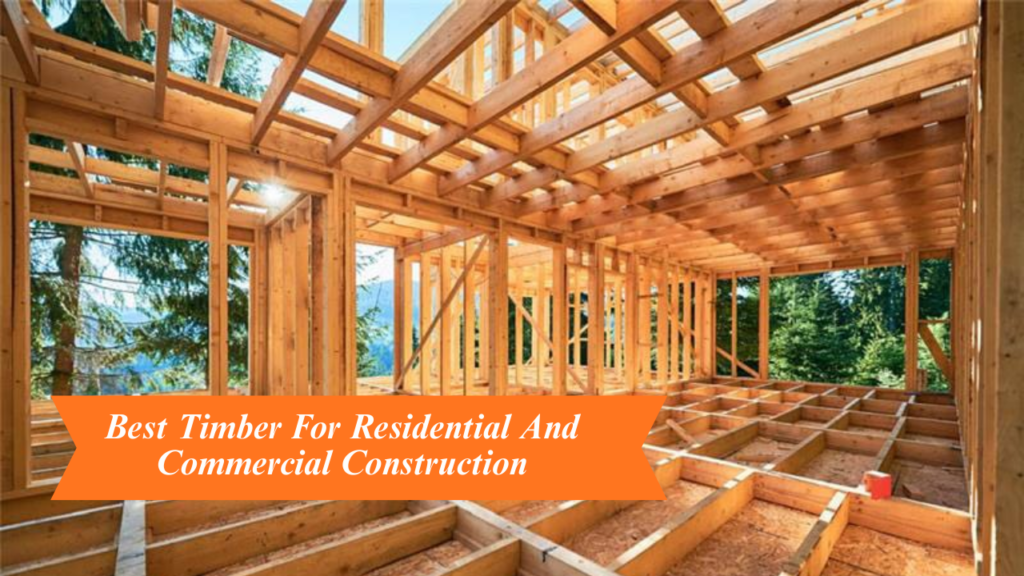
When people ask about the best wood for house construction, they are usually referring to structural framing. In many building systems, softwood framing lumber is the common answer. That includes species groups used for studs, joists, rafters, and general framing because they are widely graded and commonly used in residential design. HUD’s residential framing guidance also reflects the widespread use of light-frame wood construction in housing.
This does not mean one species is always best everywhere. It means the best wood for house construction is usually structurally graded, dry enough for framing, available in the right sizes, and suited to local design practice. In plain terms, the right framing wood is the one that meets the design need safely and predictably.
Pine Timber In Residential And Commercial Work
Pine is often part of the conversation because it is widely used in wood supply chains. Kamath Woods itself describes its business as a supplier of pinewood products for construction, packaging, and logistics use.
That makes pine relevant when asking which woods are best for house construction. Pine can be a practical option because it is widely available, workable, and used in framing and construction-related applications. But pine should not be judged by name alone.
The real question is whether the pine is the right grade, moisture condition, and size for the job. A higher-grade structural pine member may be suitable for framing, while a lower-grade board may not. Wood grading resources make this distinction very clear.
Residential Construction Vs Commercial Construction
The timber used in a home and the timber used in a commercial building may come from similar material families, but the design demands are not always the same. A house often uses repeating framing members in walls, floors, and roofs. Commercial construction may involve longer spans, heavier loads, and different design systems depending on the project. The 2021 Code Conforming Wood Design guide explains that wood design in code-based construction depends on the building type and structural system being used.
That means timber for residential construction should not be chosen by the same simple rule as a larger commercial application. The same species may appear in both, but size, grade, spacing, and design values may differ because building demand differs.
Moisture Content Is A Big Deal
One of the most overlooked parts of timber selection is moisture. Timber that is too wet can shrink after installation. That can affect walls, floors, finishes, and connections. The USDA guidance states that softwood lumber intended for framing in construction is usually dried to an average moisture content of 15 percent, not to exceed 19 percent.
This matters because the best wood for house construction is not just about species. It also needs to be dry enough for stable use. If the wood moves too much after installation, even a strong board can cause problems.
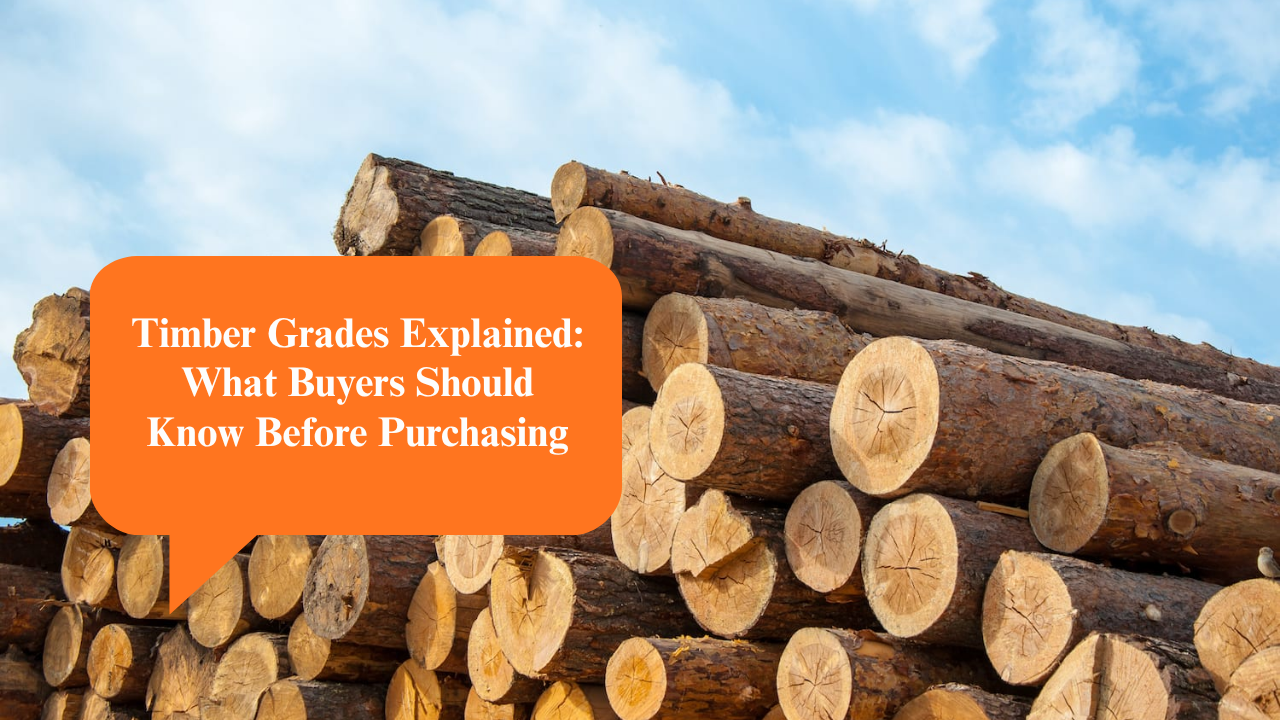
Grade Is More Important Than Many Buyers Realize
Many buyers focus first on price and species. But grade often matters more than either one. Lumber grading exists because wood pieces from the same species can still have very different structural properties. Knots, grain slope, splits, and other features affect strength and suitability.
This is why asking which wood is best for house construction is only the first step. A better question is: what grade of that wood is right for the job? For framing and load-carrying use, it depends on structural grading and design need.
Treatment And Exposure Conditions
Not all timber lives in dry indoor conditions. Some areas are prone to moisture, insects, or weather exposure. In those cases, preservative treatment or naturally durable material may be needed. AWC durability guidance notes that wood in higher-risk exposure conditions may need preservative treatment or durable heartwood, depending on use.
So the best timber for construction also depends on where the timber will sit in the building. Interior dry framing is one thing. Exterior or moisture-prone use is another.
A Simple Way To Choose The Right Timber
A practical timber decision should follow a short checklist.
Ask:
- Is the timber structural or nonstructural?
- What load will it carry?
- What grade does the job require?
- Is the wood dry enough for the application?
- Will it face moisture or insects?
- Does the member size match the span and load?
These questions are much more useful than trying to find one universal “best” wood. Official wood design guidance supports this approach because timber performance always depends on actual use conditions.
Conclusion
The answer to which woods are best for house construction is not one single wood name. The right choice depends on structural use, grade, moisture, treatment, and size. In most framing systems, softwood lumber remains a practical choice because it is widely graded and commonly used in construction.
Pine can also be a sensible option when the material is properly selected for the job. So the best wood for house construction is the one that meets the design needs safely and consistently.
For buyers working through these choices in real supply conditions, Kamath Woods is part of that conversation as a pinewood supplier serving construction-related needs.