

Walk into any timber yard in India and ask for “good quality wood,” and chances are you’ll get ten different answers from ten different people. That’s not because suppliers don’t know their product — it’s because the quality of timber is genuinely layered, technical, and often misunderstood by first-time buyers. Whether you’re procuring for a construction project, a packaging line, or a furniture setup, knowing how timber wood is graded can save you money, prevent waste, and help you get the right material for the right job.
This guide breaks it all down — plainly, practically, and with the Indian buyer in mind.
Why Timber Grading Exists in the First Place
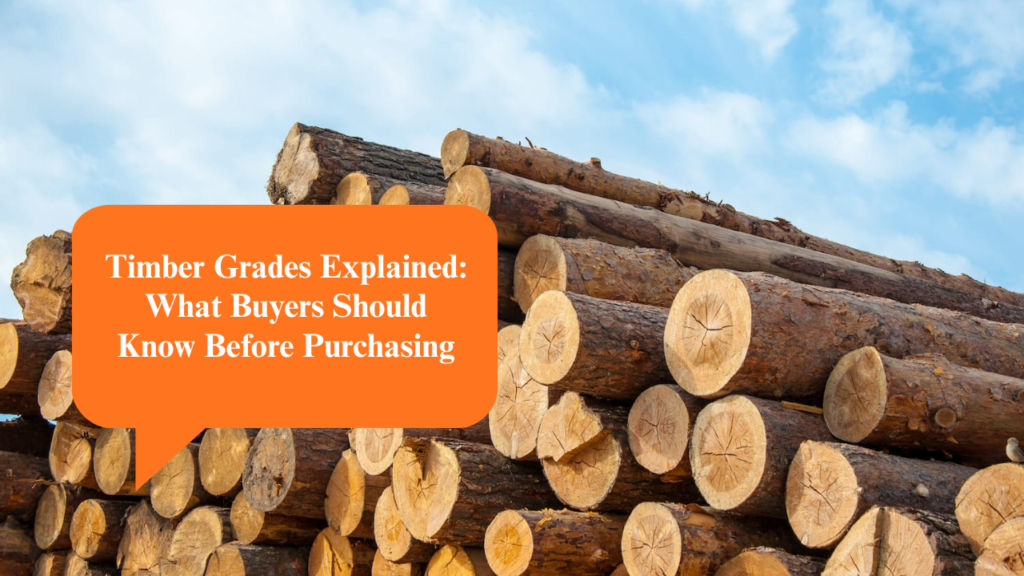
Wood is a natural material. No two logs are identical. Some have tighter grain, fewer knots, and more consistent moisture content. Others are knotty, slightly warped, or have surface imperfections that make them unsuitable for fine finishes. Timber grading is essentially a standardized system to sort this variation into predictable categories — so buyers know what they’re paying for, and suppliers can price accurately.
Without grading, procurement becomes guesswork. You might order timber for a structural frame and receive material that bends under load. Or you pay premium pricing for furniture-grade wood when rough framing timber would have done the job at half the cost.
In short, the classification of timber matters — commercially, structurally, and financially.
The Core Criteria Behind Timber Classification
Before diving into specific grades, it helps to understand what graders actually look at. The classification of timber based on grading typically evaluates:
Knots — Knots are where branches once grew. A few small, tight knots are generally acceptable. Large, loose, or dead knots weaken the wood and reduce its visual appeal.
Grain straightness — Timber with straight, consistent grain is stronger and more predictable. Irregular or cross grain can affect how the wood behaves under stress.
Moisture content — Wood that hasn’t been properly dried warps, cracks, and shrinks after use. Air-dried and kiln-dried timber are held to different moisture standards.
Surface defects — Checks (surface cracks), wane (missing edges), splits, and staining all factors into the final grade assigned.
Dimensional accuracy — Especially for processed or surfaced timber, precision in width and thickness affects how well pieces fit together during installation.
Common Timber Grades and What They Mean
Grade A — Premium Structural and Visual Quality
Timber of Grade A is the best grade and is characterised as timber with the least amount of knots, consistent and clean grain and surface. Grade A timber is accepted in all applications where both strength and appearance are essential: ie, exposed beams, high-end joinery, calculations and surfaces for finishing. In India, Grade A timber is usually priced higher due to the stricter selection requirements.
Grade A pine sawn timber is processed and air dried and meets all standards for construction and interior use thereby allowing buyers to have confidence in their purchase with respect to material failure during construction.
Grade B — Reliable Workhorse Material
Timber with a Grade B rating typically has much more natural variation in terms of the absence of knots, some minor surface imperfections, and slight deviations from grain direction, etc., but are still strong enough to be structurally usable commercially. It is also by far the most frequently bought timber for general framing, formwork, packages, and other industrial uses in all areas of India.
The above characteristics of Grade B timber creates an economical compromise between performance and cost. When purchasing timber in large quantities, Grade B timber is generally considered to be the most cost effective option without compromising the ability to perform as intended.
ADS (All Defects Sorted) — Value-Focused Classification
ADS grade timber is sorted for usable lengths despite carrying visible defects. It’s typically used in non-structural or low-visibility applications — internal packaging supports, creating, rough framing where the material will be concealed. Buyers on tight budgets who understand their application requirements often prefer ADS for the cost advantage it offers.
S2S and S4S — Surfaced Timber for Precision Use
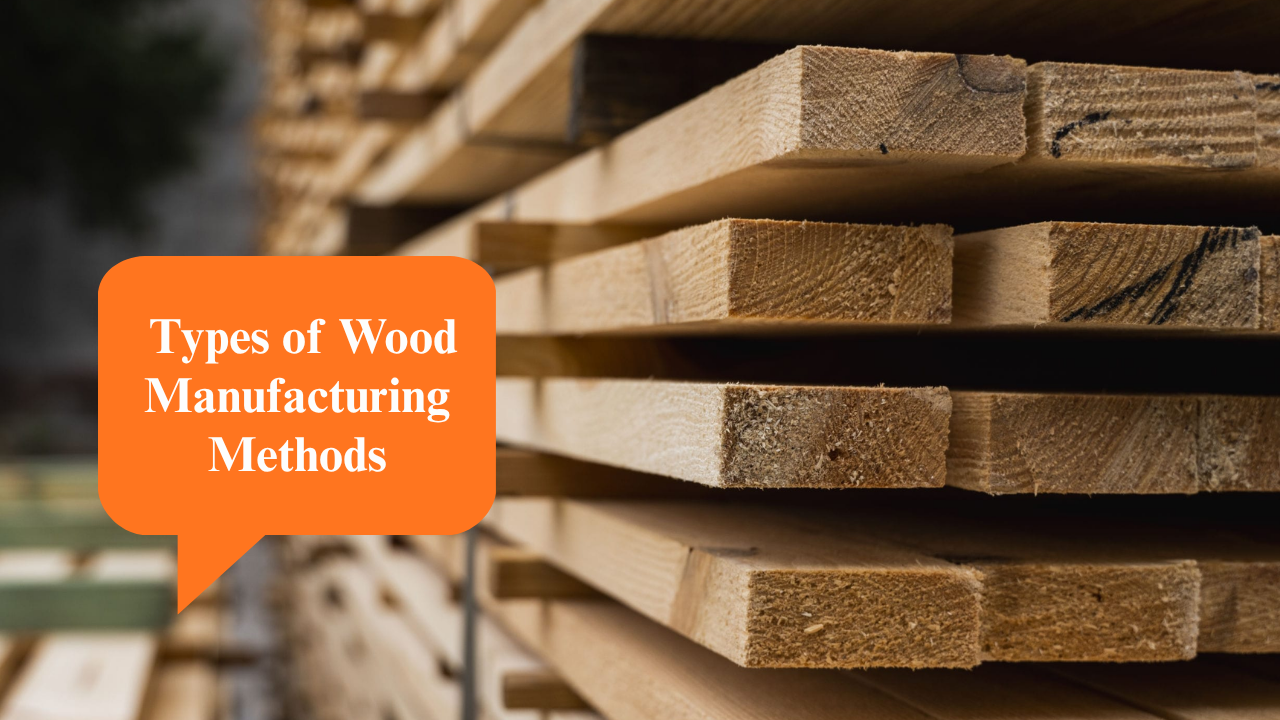
S2S (surfaced 2 sides) and S4S (surfaced 4 sides) are not grades in the traditional sense but indicate how much processing the lumber has gone through. Surfaced Lumber has been planed smooth on 2 or 4 sides, giving it a clean dimension and a useful finished look.
Dimensional consistency is critical in some manufacturing and interior construction applications because it affects the fit, the finish and the overall quality of the final product. Kamath Woods carries both S2S/S4S and rough sawn lumber. This gives the buyer the ability to select from all lumber products available according to their needs or downstream application.
Classification of Timber Wood: Hardwood vs. Softwood
In addition to grading, timber wood classifications can be separated into two main groups based on the following; hard (hard wood) and soft (softwood). These categories are based on botanical classifications and are not indicative of the physical hardness of the material.
Softwoods are timber woods that come from coniferous trees such as pine, cedar and spruce. Coniferous trees grow faster, are generally more abundant and inexpensive than hardwood trees. Pine, specifically East African pine (Pinus patula), is a commonly used species in India for constructing frames, creating boxes and creating pallets. When properly dried, Pine is dimensionally stable as well as very suitable for outdoor and industrial use after treatment.
Hardwoods come from deciduous trees such as teak, sal and mahogany. Hardwoods are denser, slower-growing and are generally more expensive than softwoods. Hardwoods are considered to be of higher quality and are most commonly used in the manufacturing of premium furniture and flooring, and are suitable for use where high levels of wear occur.
In most construction and packing applications in India, using pine softwood from the correct grade is the most efficient way to fulfil your needs. A good buyer is one who understands which type of timber is appropriate for his or her particular situation rather than simply relying on what is considered to be the most expensive option.
How Timber Grading Affects Construction Choices
In timber for residential and commercial construction, grade selection directly affects structural safety, project cost, and long-term performance. Using Grade B or ADS timber in a load-bearing application that calls for Grade A is a risk no builder should take. Equally, specifying Grade A across the board for rough formwork is an unnecessary cost that adds up fast across large projects.
The key questions to ask before procurement are: Where will this timber be used? Will it be visible or concealed? Is it structural or decorative? Does it need to be treated for moisture or pest resistance?
Getting these answers right before placing an order is what separates efficient procurement from expensive corrections later.
What Buyers Often Miss
One area where buyers in India consistently lose value is moisture content. Much of the timber available in informal markets is neither properly air-dried nor kiln-dried. This leads to warping, cracking, and shrinkage after installation — defects that don’t show up at the yard but appear weeks or months later on site.
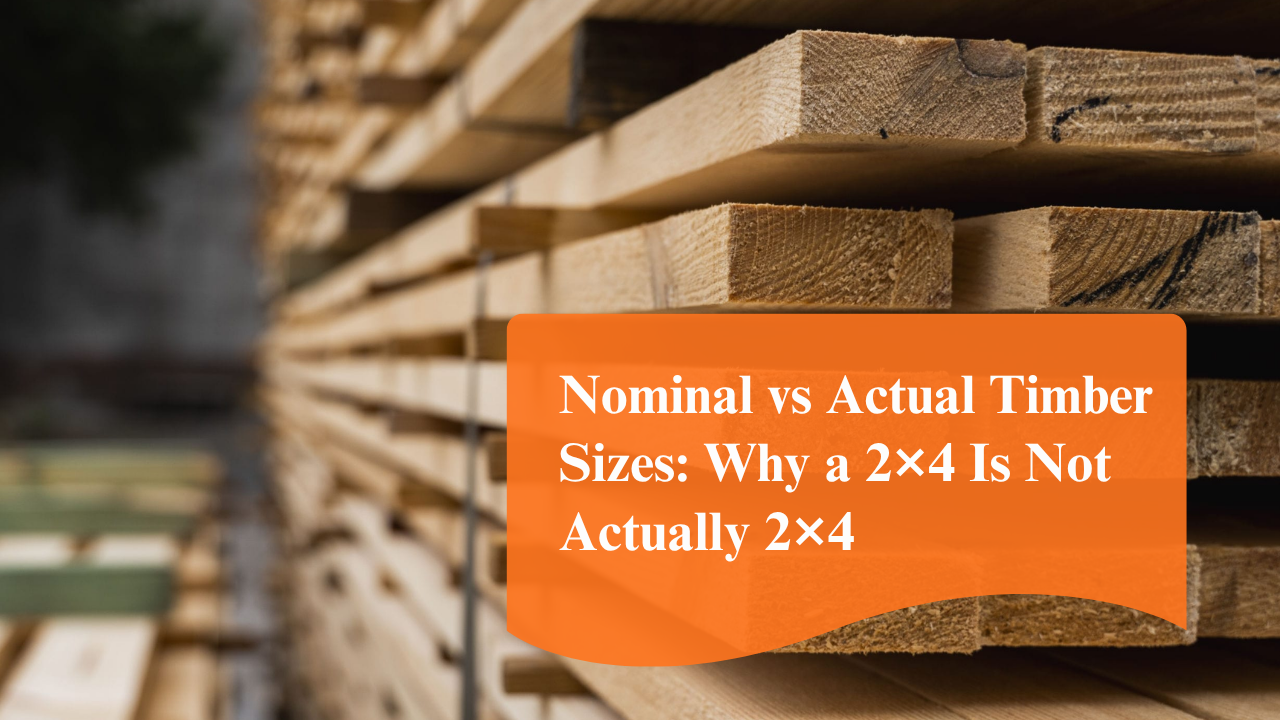
Another overlooked factor is dimensional consistency. Timber labelled as 4×4 inches may vary by several millimetres across a batch if it hasn’t been surfaced. For structural or precision applications, this variation compounds into real problems.
Working with suppliers who maintain grading transparency — and who process material in controlled, consistent environments — reduces these risks significantly.
Making Grading Work for You
Understanding timber grades isn’t about becoming a timber expert. It’s about asking the right questions and knowing what to expect from your supplier. A clear grade specification in your purchase order creates accountability. It gives you a basis for comparison, a reference for quality checks, and a framework for cost negotiation.
At Kamath Woods, timber is sourced from East Africa and processed through dedicated facilities in Bangalore, with grading done to consistent standards across Grade A, B, ADS, and surfaced variants. The goal is simple: buyers should receive material that performs exactly as specified — no surprises at the yard, and no failures on site.
If you’re planning a purchase and want to understand which grade fits your project, get in touch. The right grade at the right price is always a better outcome than the wrong grade at any price.